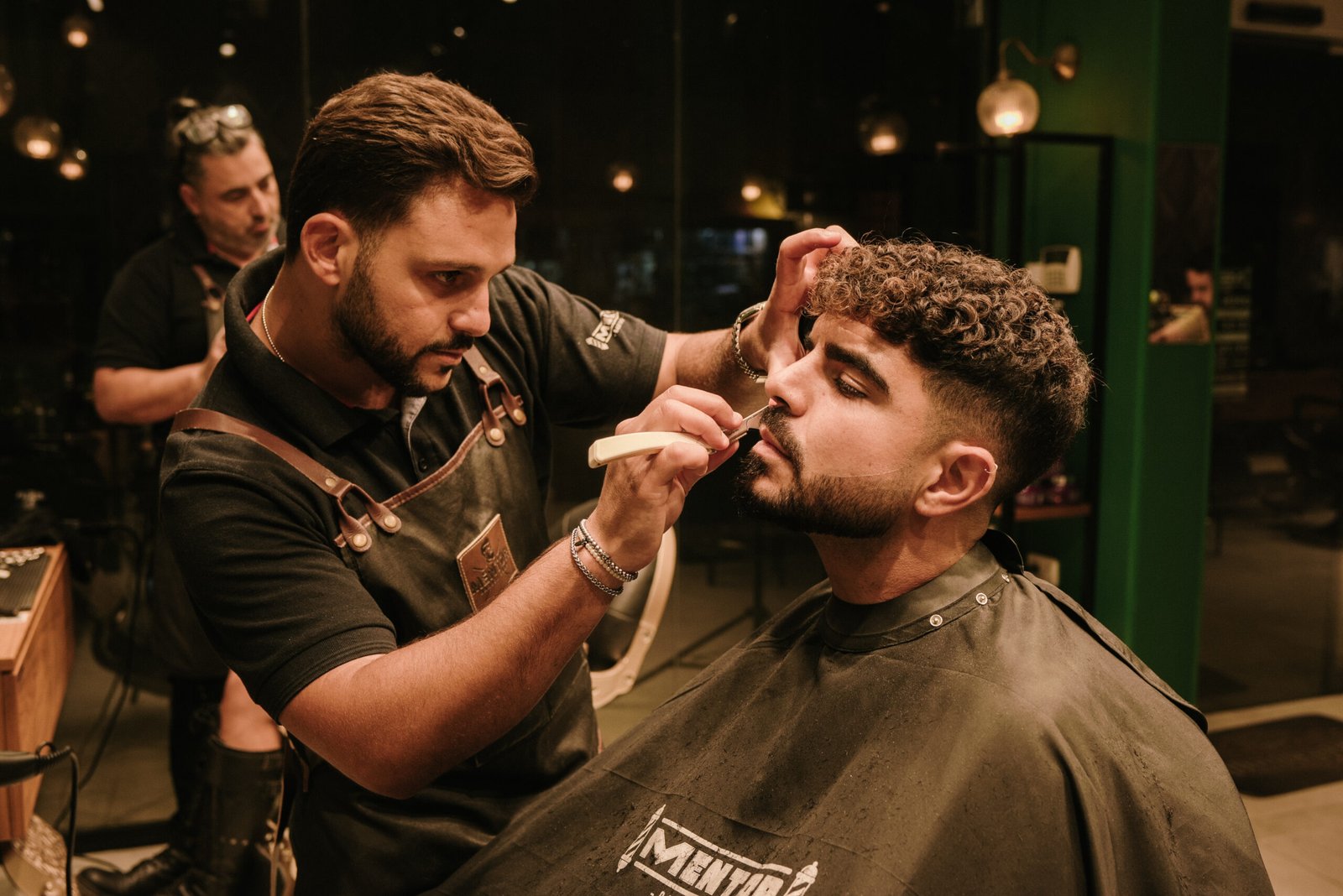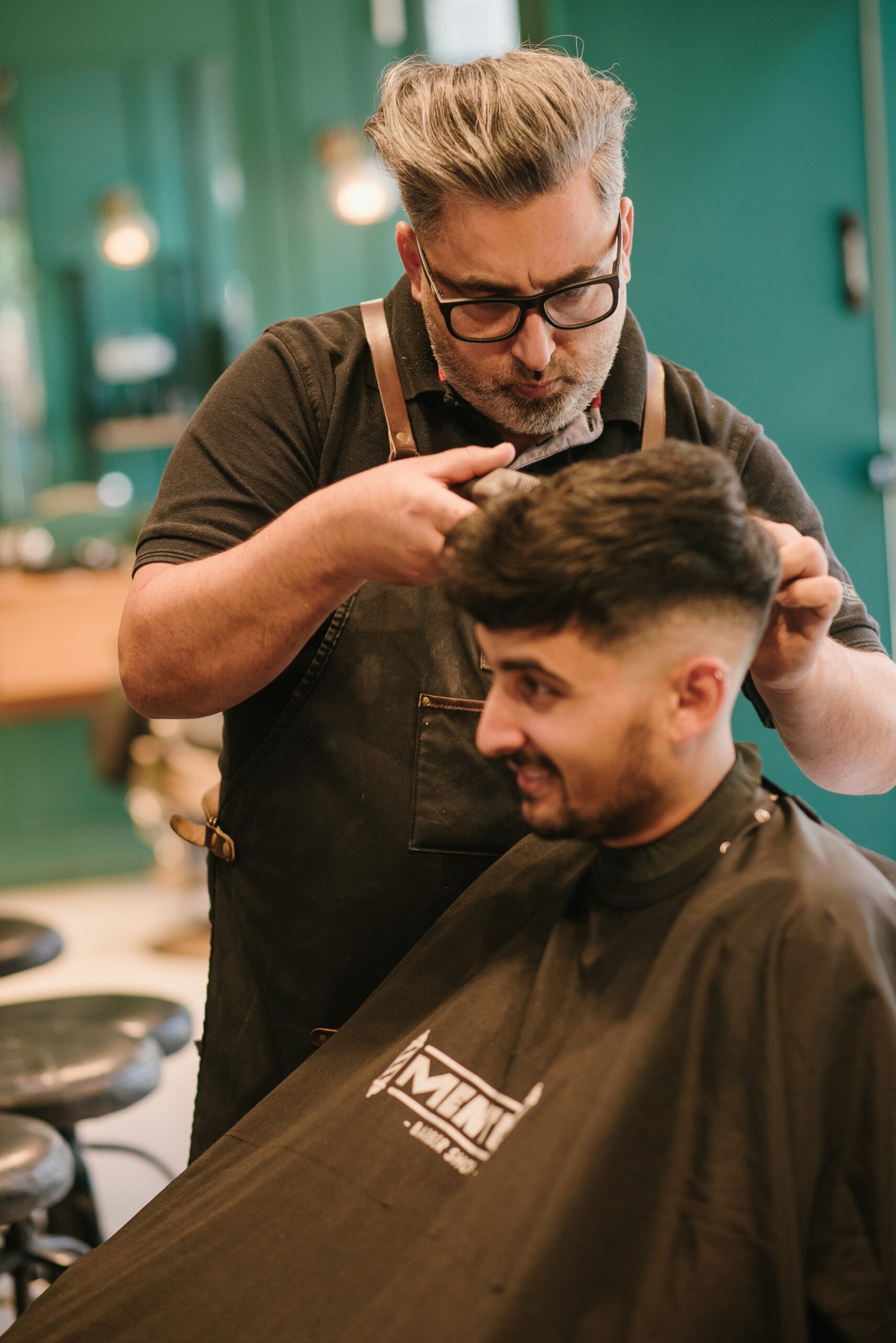
Ask any barber what separates a good haircut from a great one, and the answer is rarely the clippers. It is the plan. Before a single guard goes on, we are studying your face: the width of your forehead, the line of your jaw, and the way your hair grows around the crown. If you have ever searched for the best haircut for face shape men, you already know the same cut can look sharp on one guy and off on another. The difference is proportion. At Mentor Barbershop in Chelsea, every appointment starts with this assessment, and here is how it works so you can walk in knowing exactly what to ask for.
How to Find Your Face Shape with a Simple Mirror Check
Pull your hair back, stand an arm’s length from a mirror in good light, and look straight ahead. Note three widths (forehead, cheekbones, jaw) and one length (hairline to chin). For a more precise read, trace the outline of your face on the mirror with a dry-erase marker, then step back and compare it to these six shapes:
- Oval: About one and a half times longer than wide, with a forehead slightly wider than the jaw and a softly rounded chin.
- Square: Forehead, cheekbones and jaw are nearly the same width, with a strong, angular jawline.
- Round: Length and width are almost equal, with a soft jaw and the fullest point at the cheeks.
- Oblong: Clearly longer than it is wide, with straight cheeks and a long forehead or chin.
- Heart: A wide forehead and cheekbones that narrow to a smaller, pointed chin.
- Diamond: A narrow forehead and jaw, with the cheekbones as the widest point.
Plenty of men fall between two shapes. That is completely normal. Pick the closest match and read the neighboring sections too.
The Best Cuts for Each Face Shape
Think of a haircut as controlled illusion. You add height or volume where the face looks narrow, remove bulk where it looks wide, and use fade or taper height to decide how much the sides recede. Here is what we recommend.
A quick note on fade height, since it matters as much as length. A low fade or taper sits just above the ear and keeps the sides fuller, which adds width. A mid fade starts around the temple and suits most faces. A high fade or skin fade goes up toward the crown, which slims the sides and makes the top look taller.
Oval Face
You are the lucky one. Almost everything works, so choose based on lifestyle. Keep some length on top for a textured crop, side part or quiff, and pair it with a classic taper or mid fade. The only real mistake is a heavy fringe that hides your natural balance.
Square Face
Lean into the jaw. Short, structured cuts such as a crew cut, short textured crop or Ivy League look sharp with a mid or high taper. Keep the top short to medium and add soft texture so the angles do not look severe.
Round Face
Build height and take away width. Go tight on the sides with a high or skin fade, and keep volume on top with a quiff, pompadour or textured, swept-up style. Avoid full sides and a low, heavy fringe, which only widen the face.
Oblong Face
Skip the height. Keep the sides fuller with a low taper, and wear the top at a moderate length with a forward or side-swept fringe to visually shorten the forehead. Tall pompadours and very high fades will stretch the face further.
Heart Face
Balance a wider forehead with a narrower chin. A medium-length top with a side-swept fringe softens the forehead, and a low taper keeps the lower face from looking too thin. Avoid slicking everything straight back, which highlights the forehead.
Diamond Face
Add width at the forehead and jaw to offset prominent cheekbones. A textured fringe or side part with slightly more length around the temples works well, finished with a low taper. Avoid sides that are cut very short at the cheekbone.
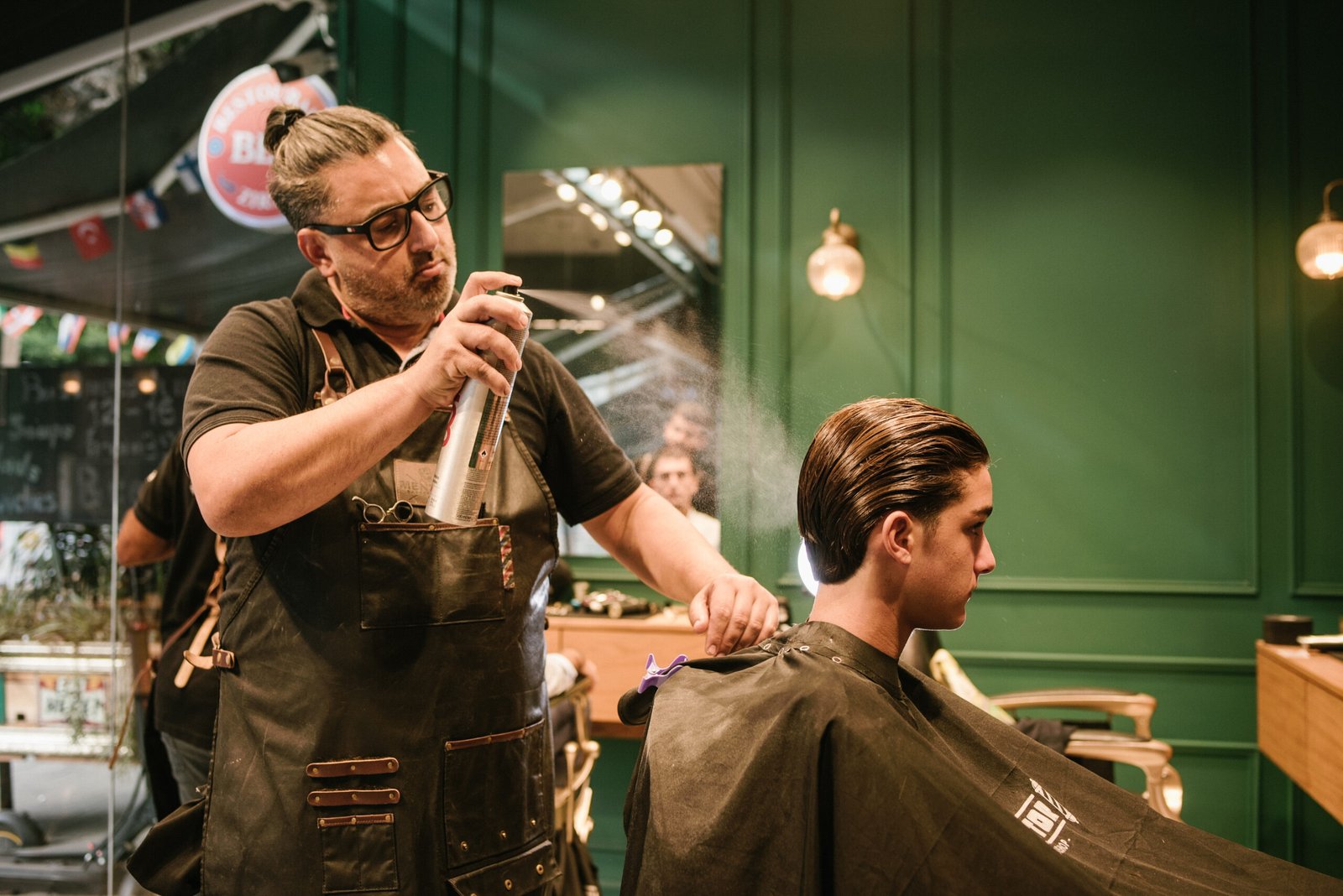
If you want a clean, dependable cut built on these principles, our Mentor Classic Cut ($60) covers the shape, fade and finish, with shampoo and styling included in the experience.
Beyond Face Shape: Hair Type, Hairline, Density and Growth Patterns
Face shape is the starting point, not the final answetowr. Four other factors can change what we recommend for you.
- Hair type: Straight hair hangs and shows every line, wavy hair expands as it grows, and curly hair shrinks when dry. A style that looks tall on straight hair may sit flat on curls.
- Hairline: A receding hairline or temples often look best with textured length forward or a slightly longer, softer taper, while a strong hairline can handle a sharper fade.
- Density: Fine or thinning hair can look sparse under a very short fade, so we may keep more length on top for cover and texture.
- Growth patterns: Cowlicks and crown swirls decide which direction your hair will cooperate. Fighting them leads to a cut that never sits right.
This is where scissor work shines. Our Mentor Scissor Cut ($80) is ideal for thicker, wavier or more complex hair, because we shape weight and movement by hand rather than relying on clippers alone.
Beard and Haircut Together: Balancing the Face
A beard is effectively a second haircut, and it can correct proportions that hair alone cannot. The goal is the same: balance the face you have.
- Round: Keep the cheeks clean and add length at the chin to create a longer, more angular line.
- Square: A short, even beard or stubble keeps the jaw clean, and slightly rounded edges soften harsh corners.
- Oblong: Go fuller on the sides and shorter at the chin to avoid adding length.
- Heart and diamond: Build fullness at the jaw and chin to balance the upper face.
- Oval: Most styles work, so keep the lines crisp and the neckline tidy.
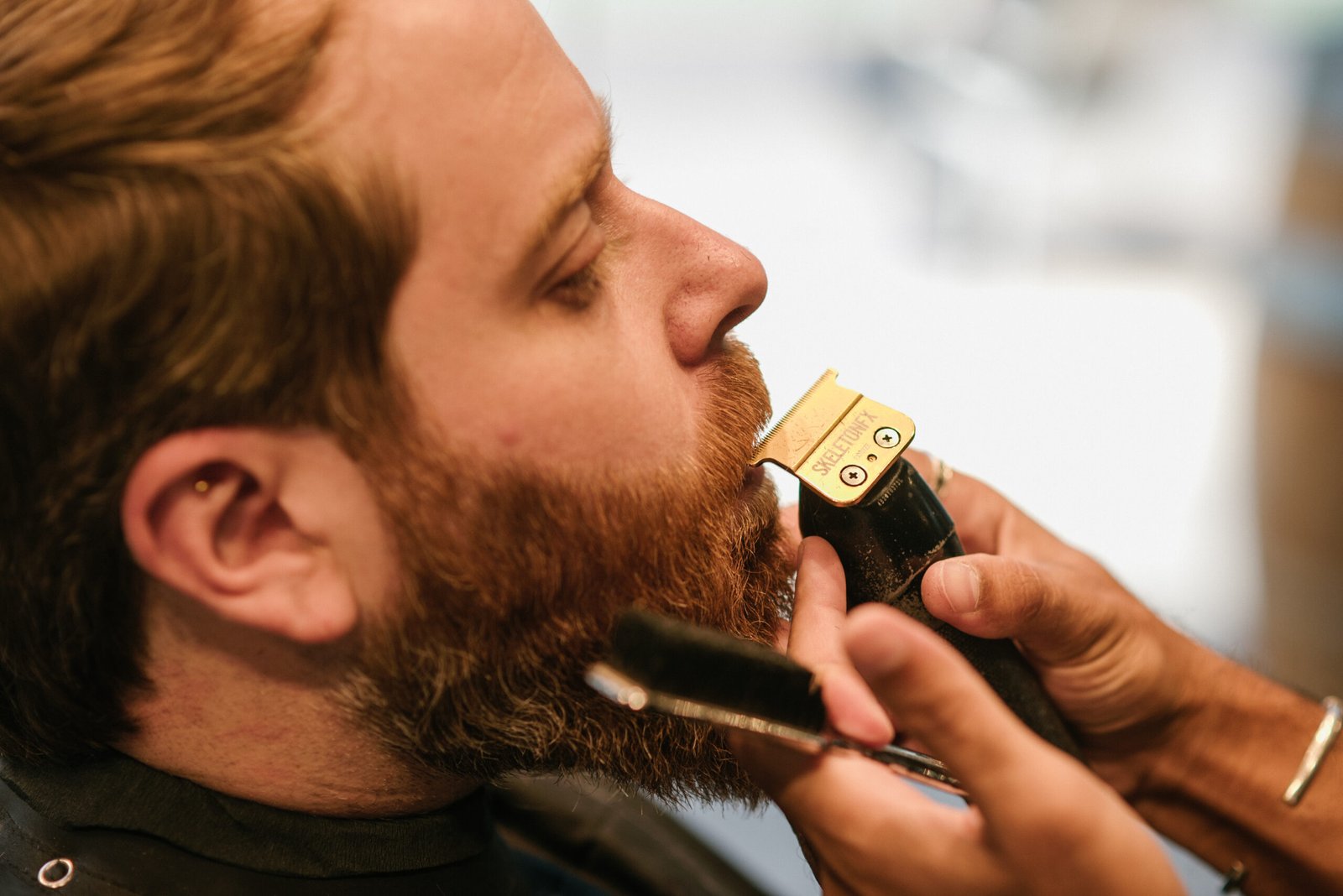
A shaped beard should flow into the fade, with the transition matching the taper height on your sides. Our Mentor Premium Beard Trim ($40) handles the lining, shaping and blending so your haircut and beard read as one design.
Frequently Asked Questions
That is very common. Choose the style that works for both shapes, usually a medium-length top with a mid taper, and let your barber fine-tune the height and sides. Hair type and hairline will break the tie.
Go for height on top and tight sides. A high or skin fade with a quiff, pompadour or textured, swept-up top lengthens the face and reduces the look of width.
They work together. Face shape guides the overall proportions, while hair type, density and growth patterns decide whether a style will actually sit and hold the way you want it to.
Fades and tapers look best refreshed every three to four weeks. Longer, scissor-cut styles can usually go four to six weeks before they lose their shape.
Yes. Added length at the chin can elongate a round face, while fuller sides add width to a narrow one. A shaped beard is one of the easiest ways to rebalance your proportions.
The Mentor Classic Cut is $60, the Mentor Scissor Cut is $80, and the Mentor Premium Beard Trim is $40.
Get a Cut Tailored to Your Face at Mentor Barbershop
When you sit down, tell us three things: how much time you spend styling, what your work or lifestyle demands, and how often you can come back for a refresh. A great cut for your face shape should still be easy to maintain on a normal Tuesday morning, and we will build it around that reality.
You do not need to memorize any of this. Bring a photo or two, tell us how you style your hair day to day, and we will map the cut to your face, hair type and routine. Explore everything we offer on our services page, or learn more about the team behind the chair on our about page.
Book your appointment at Mentor Barbershop, 225 7th Ave, Chelsea, New York, and get a haircut that actually fits your face.